
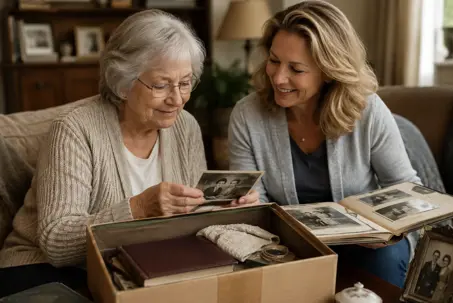
Some of the most emotional moments in estate administration often involve tangible personal property—the furniture, jewelry, photographs, keepsakes, collections, and other belongings left behind after a loved one passes away.
These items often carry far more sentimental value than financial value. They preserve memories, reflect identity, and connect generations. Without thoughtful planning, however, grieving loved ones may be left wondering what to do, how to divide treasured possessions, and how to honor their loved one's wishes.
The Practical Challenges of Personal Property
In addition to their emotional significance, personal belongings create practical responsibilities.
If you're serving as an executor or trustee, you may need to:
- Secure the home
- Inventory and protect personal property
- Identify valuable items
- Arrange for insurance or storage
- Determine which items will be distributed, sold, donated, or otherwise handled
These responsibilities often become even more challenging when combined with:
- A pending home sale
- The need to vacate a rental property
- Storage expenses
- Insurance concerns
- The possibility that items may disappear from a vacant residence
At the same time, beneficiaries may need time to grieve, travel, and carefully decide which possessions truly matter to them. Fiduciaries often need that same flexibility as well.
Why Personal Belongings Can Lead to Family Conflict
Distributing personal belongings is rarely just about money.
One item may have tremendous sentimental value to one family member while another views it very differently. Fairness also means different things to different people. Some focus on equal monetary value, while others care more about emotional attachment, usefulness, or what they believe their loved one intended.
Grief often magnifies these emotions, and uncertainty can quickly become the source of family disagreements. Old rivalries or perceptions of favoritism may resurface, sometimes leading to significant disputes over items that may seem insignificant to outsiders.
A Tangible Personal Property Memorandum Can Help
One simple planning tool is a Tangible Personal Property Memorandum.
This separate signed document identifies who should receive specific personal belongings. While it must be signed and dated, it does not require notarization. Because it exists separately from your Will or Trust, it can typically be updated without formally amending your estate plan.
When preparing a memorandum, specificity is important.
For example:
- "My grandmother's pearl ring in the blue velvet box" is much clearer than simply writing "my ring."
Once completed, keep the memorandum with your estate planning documents and review it periodically to ensure it continues to reflect your wishes.
Consider Including a Letter of Instruction
A Letter of Instruction can also provide valuable guidance for your loved ones.
This letter can explain:
- The values you hope your family will follow
- How you would like remaining items divided
- What you consider to be a fair process
For example, you may suggest:
- A rotating selection process
- A point system
- Selling certain items and dividing the proceeds
- Mediation if disagreements arise
The goal is to reduce uncertainty before grief and family history make small decisions feel much larger.
Have Conversations While You Can
Legal documents are valuable, but they cannot replace meaningful conversations.
Consider asking loved ones questions such as:
- "Are there any belongings that would be especially meaningful to you?"
- "Is there anything you hope stays in the family?"
These conversations allow family members to express what matters most while giving you the opportunity to explain your wishes. They also help reinforce the importance of supporting one another after you're gone.
It is equally important to remind loved ones that no one should feel obligated to accept an item they do not truly want.
Consider Lifetime Gifts
Whenever possible, consider giving meaningful items away during your lifetime.
A lifetime gift allows you to:
- Share the story behind the object
- See it appreciated by the recipient
- Reduce future uncertainty for your family
Some Assets Require Additional Planning
Certain items deserve additional attention during the planning process.
Examples include:
- Artwork
- Antiques
- Jewelry
- Collections
- Firearms
- Vehicles
These assets may require appraisals, title transfers, or compliance with state-specific laws.
Large items—such as boats, vehicles, oversized furniture, or extensive collections—may also create ongoing costs. Recipients sometimes discover they lack the space, financial resources, or desire to maintain them. Planning ahead can prevent those surprises from becoming additional burdens.
Preserve Both Property and Family Relationships
Personal belongings may not represent the largest portion of an estate, but they are often what family members remember most.
Thoughtful planning helps preserve the stories behind those possessions while reducing uncertainty and minimizing conflict during an already emotional time.
A Tangible Personal Property Memorandum provides direction.
A Letter of Instruction provides meaning.
Open conversations provide understanding.
Together, these simple planning steps can help preserve both cherished memories and family harmony.
If you have questions about planning for tangible personal property, updating your estate plan, or administering a loved one's estate, your JGB attorney can help you develop an approach that best fits your family.
About the Author
Laura Feltman is an attorney at Johnson, Gasink & Baxter, LLP, where she focuses on estate planning, probate, trust administration, and elder law matters. A graduate of George Washington University with a bachelor's degree in economics, Laura was commissioned as a Second Lieutenant through the U.S. Air Force Reserve Officer Training Corps program at Howard University.
During her military career, she served in Operation Desert Shield, Operation Desert Storm, and Operation Provide Comfort before attending William & Mary Law School through the Air Force's Funded Legal Education Program. She went on to serve as a Judge Advocate for 12 years, retiring as a Lieutenant Colonel. Throughout her service, Laura earned a reputation as a trusted legal advisor, often serving as the sole legal counsel for military installations and providing guidance to both commanders and service members.
Today, Laura brings that same dedication, compassion, and practical problem-solving approach to helping clients navigate estate planning and administration. She has also been an active member of the Rotary Club of James City County since 2010 and served as the club's president from 2014–2015.